Years of work
The village's best-known garden was brought to its present shape over almost half a century by the Çiftçi family, who migrated from Harput in Elazığ. Not for tourism — just to do the job properly.
Çayeli · Rize · 508 m
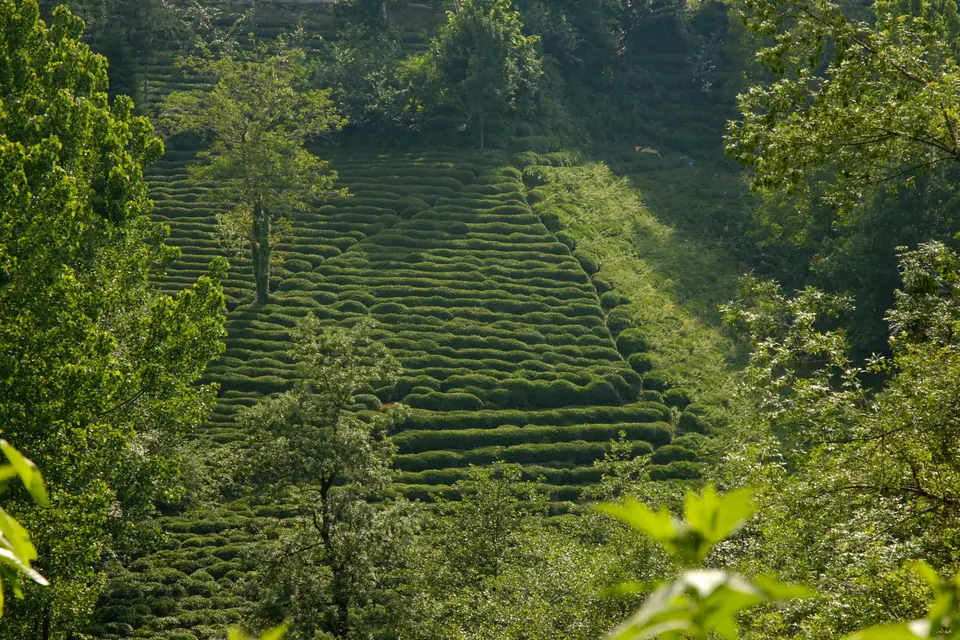
Haremtepe was once called Çeçeva. The most neatly planted and most photographed tea terraces in Rize are here — the work of half a century by a single family.
—Right now in ÇeçevaWhy here?
Along the Black Sea coast, tea usually grows wherever the slope allows — scattered and irregular. In Çeçeva the terraces were levelled, the rows run parallel to one another, and the bushes are pruned to a single plane. Even the Ministry of Education's regional inventory notes it: the tea fields here are “regularly planted and aesthetically pleasing”.
The village's best-known garden was brought to its present shape over almost half a century by the Çiftçi family, who migrated from Harput in Elazığ. Not for tourism — just to do the job properly.
Three flushes are picked between May and October, four if the weather cooperates. The garden looks its most “combed” in the days right after a harvest.
The year it reached national media and social networks. Since then the village has become the most visited stop in Çayeli.
The gardens
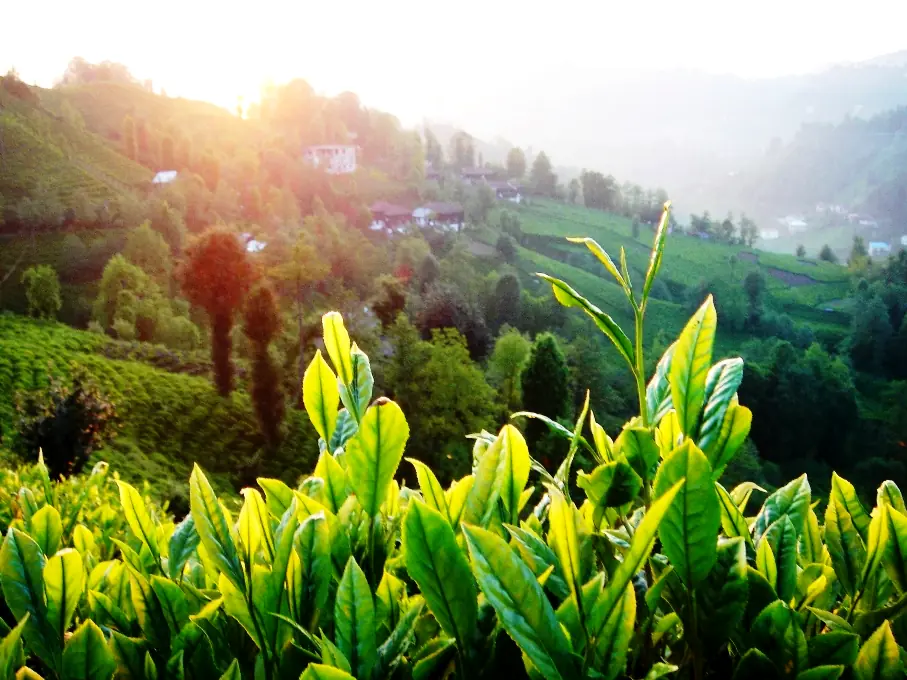
Those “hidden garden” tea commercials on Turkish television were largely framed in this village. Kenan Çiftçi, who built the garden, became known through the ads filmed on his own land; visitors today usually ask for him before anything else.
The garden looks best at first light, as the mist pulls out of the valley, or in late afternoon when the sun rakes across the slope from the side. Midday light, falling straight down, flattens the terraces' characteristic lines.
Tea gardens and the harvest calendar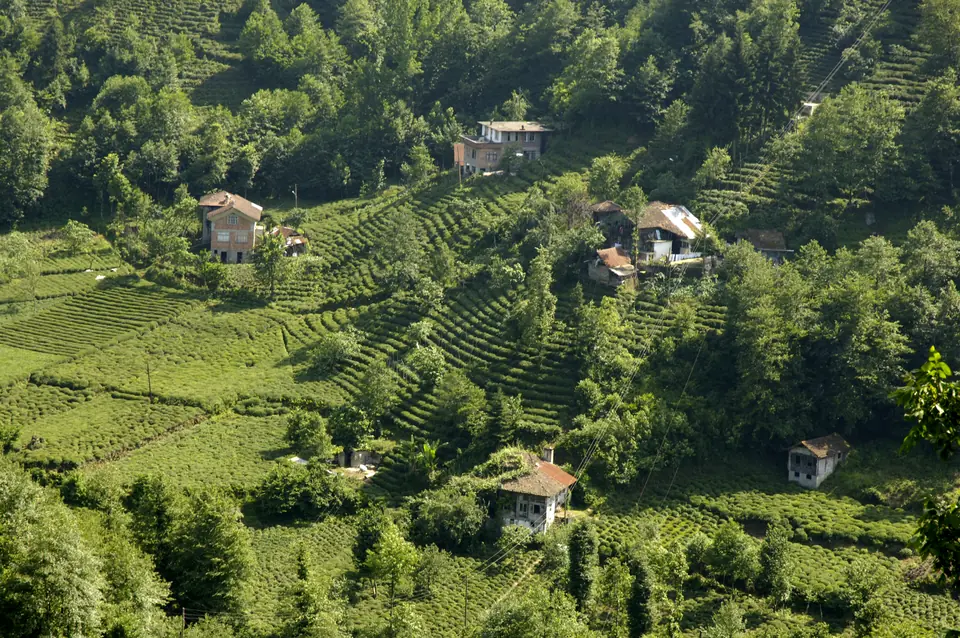
The view
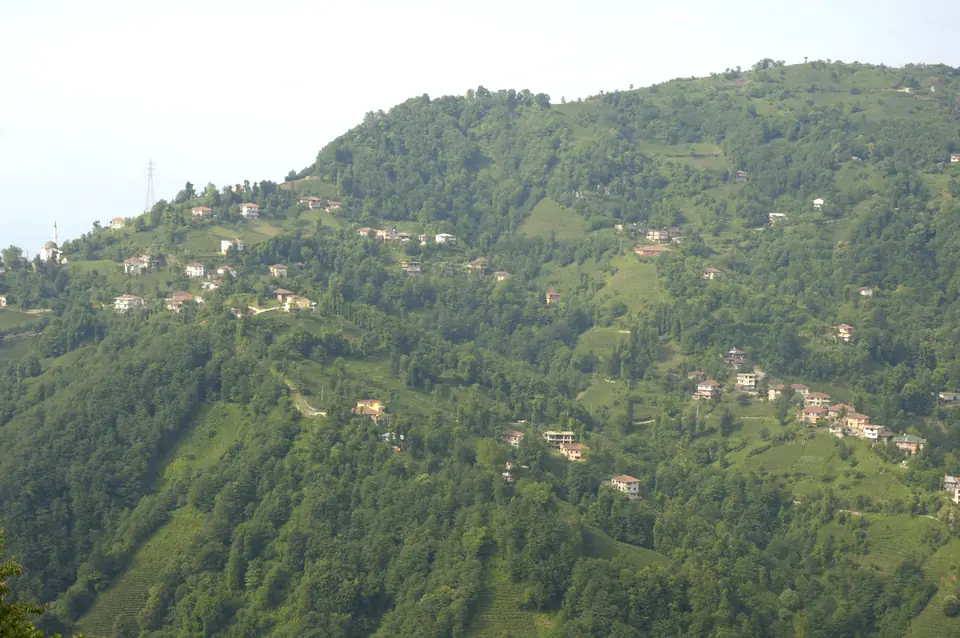
The village is scattered across steep slopes. Houses stand alone, with tea planted in between; behind them the front ridges of the Kaçkar Mountains, in front the Black Sea. On a clear day you can see the sea on the horizon.
Visiting
Six kilometres from Çayeli, about fifteen minutes by car. The road is narrow and winding but paved the whole way. The most rewarding plan: set out early, spend a few hours in the gardens, have a village breakfast, then drop down into the Senoz or Kaptanpaşa valley in the afternoon.
When to go
The stretch when the green is at its strongest, the harvest is running and rainfall is relatively lowest. April and May are the driest months in Rize; October is the wettest.
First flush. The shoots are freshest and the colour lightest. Pickers are out in numbers across the gardens.
Second flush and the warmest period (about 23 °C). Morning mist is at its most photogenic in these months.
Third flush. Crowds thin out and the light softens, but rainfall climbs to its yearly peak.
The gardens rest and the village is quiet. Still worth it if you are after a misty, wet atmosphere.
Explore
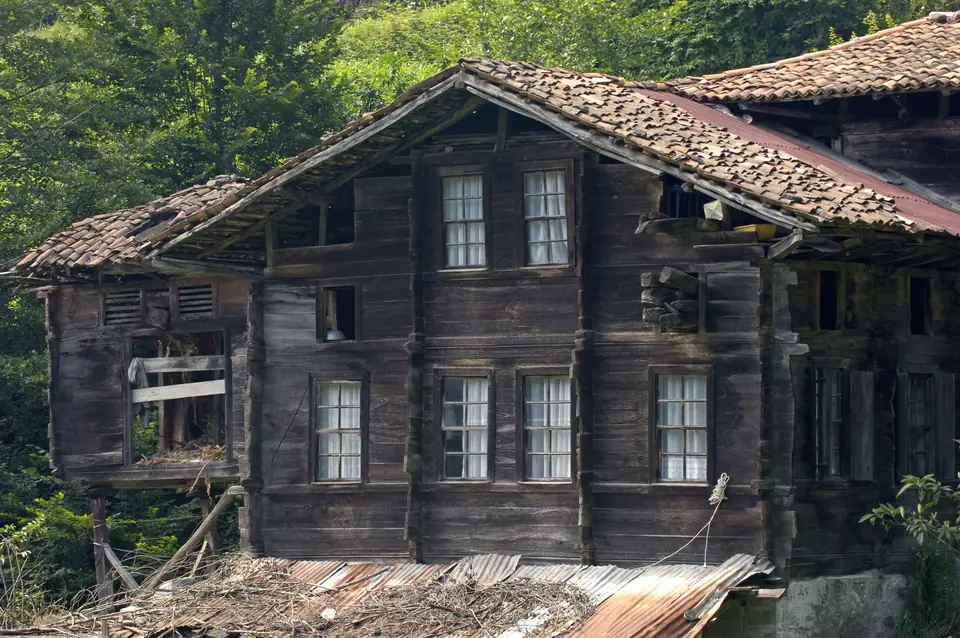
From the 1835 census register to today: where the name Çeçeva comes from, and when it became Haremtepe.
Read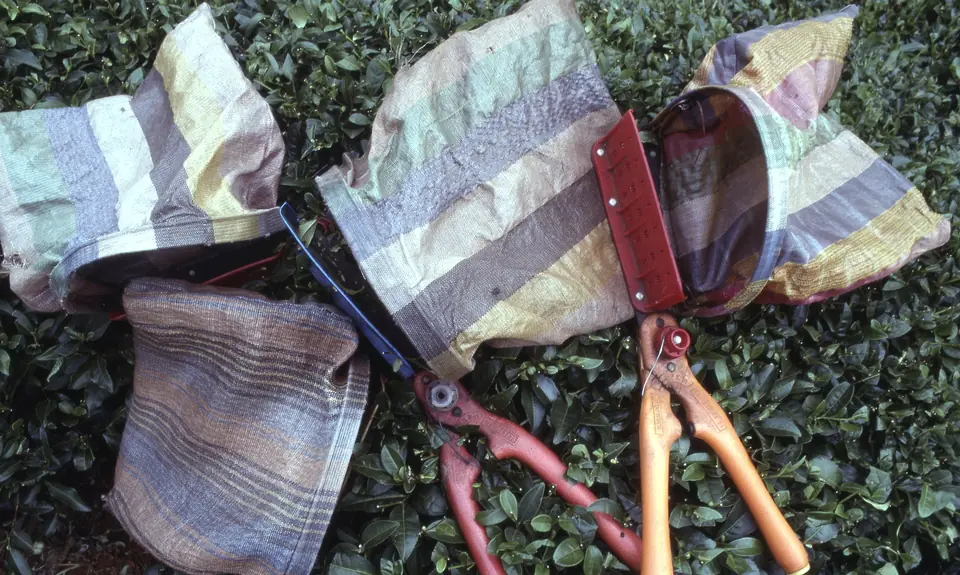
Why the rows look the way they do, the harvest calendar, the best hours for photographs and how to behave in the gardens.
Read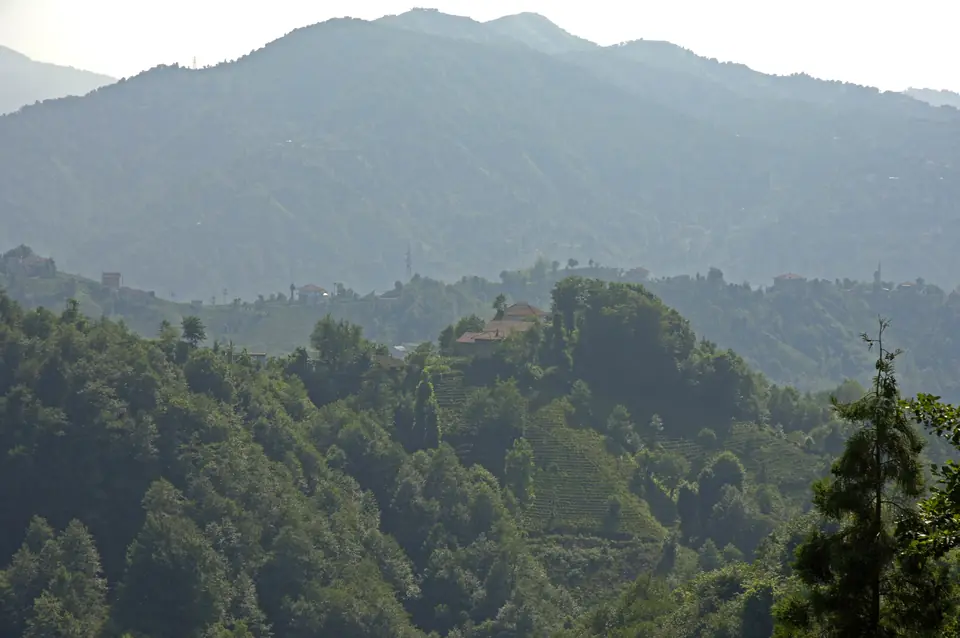
Distances, driving notes, minibus and taxi options, parking and a half-day itinerary.
ReadWrite to us — about visiting, about advertising, or to correct something you spotted on the site.