May – June
Usually starts between 10 and 20 May. The finest, most aromatic leaf of the year is picked now. The gardens are busy and the village is lively.
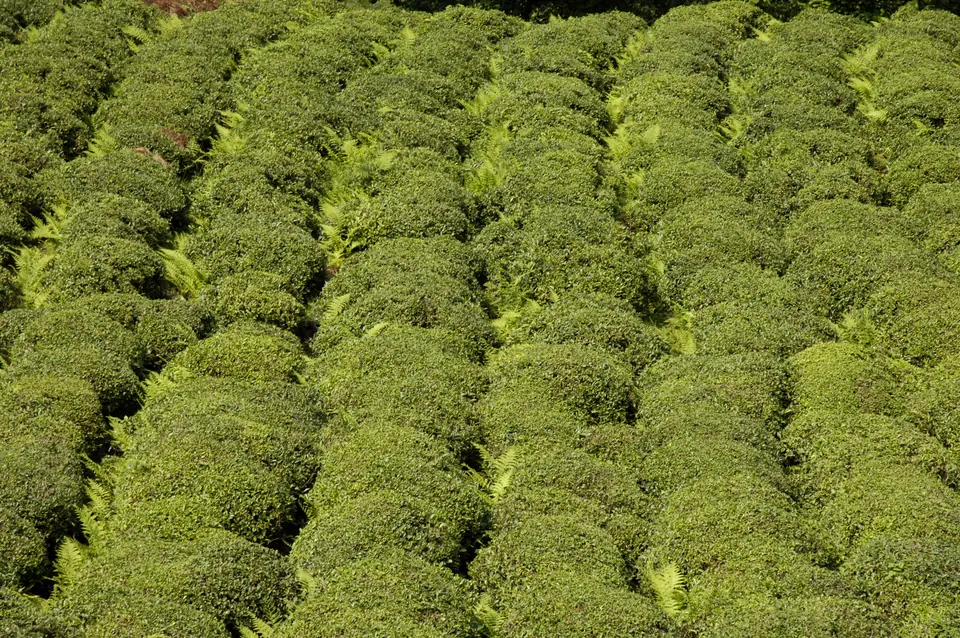
Çeçeva's reputation rests on one thing: here the tea is beautiful on purpose, not by accident.
The story
The village's best-known garden belongs to Kenan Çiftçi. His family migrated years ago from the Harput area of Elazığ, in eastern Türkiye, and bought a small plot of land here. What they did afterwards was simple but rare: prune with the same care every year, keep the terraces level, never let the rows drift. After more than forty years the result is a geometry with few equals on the Black Sea coast.
The garden was never laid out for tourism. Its fame came through television commercials and then social media. Today visitors often ask “Is Uncle Kenan here?” before anything else — hearing the story of the garden from him is the best part of the trip.
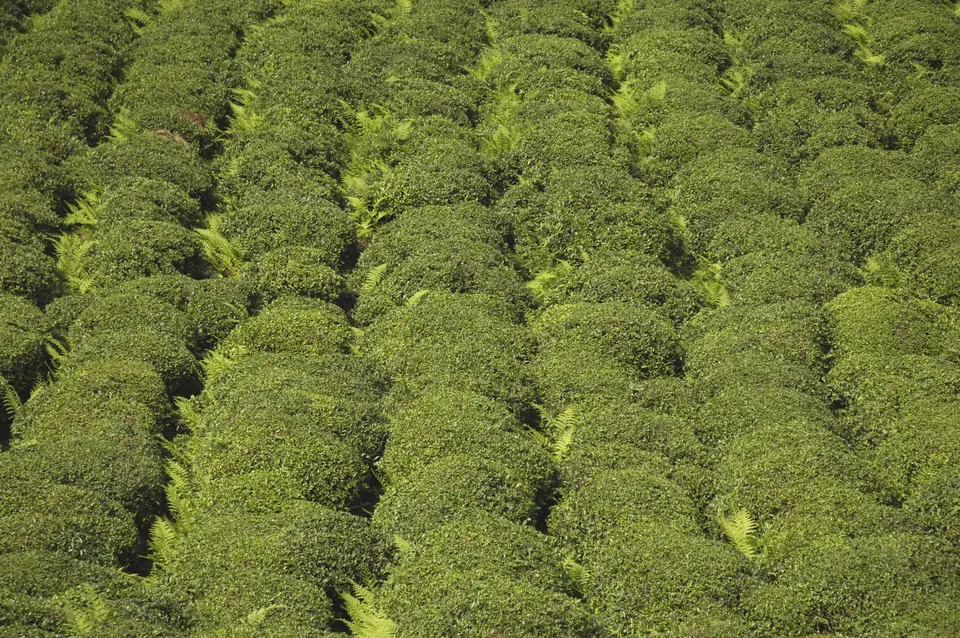
Why does it look different?
Across Rize, tea plots generally follow the natural fall of the slope and the idea of a “row” is often vague. In Çeçeva the hillside was terraced, the rows opened parallel to the contour lines, and the tops of the bushes are pruned to a single level. Seen from a distance, the result reads like combed hair.
It is also sound agriculture: terracing reduces erosion, a level cut brings the new flush on at one time and at an even length, and the spacing between rows lets the picker work comfortably.
Harvest
The fresh-leaf campaign opens in May and closes at the end of October. In those five months the same garden is picked three times — four if the season runs well.
Usually starts between 10 and 20 May. The finest, most aromatic leaf of the year is picked now. The gardens are busy and the village is lively.
The hottest and most humid stretch; the bush pushes fast. Right after a harvest the garden is at its tidiest — ideal for photographs.
The close of the season. Fewer visitors, softer light. Against that, rainfall is at its highest of the year; factor it into your plans.
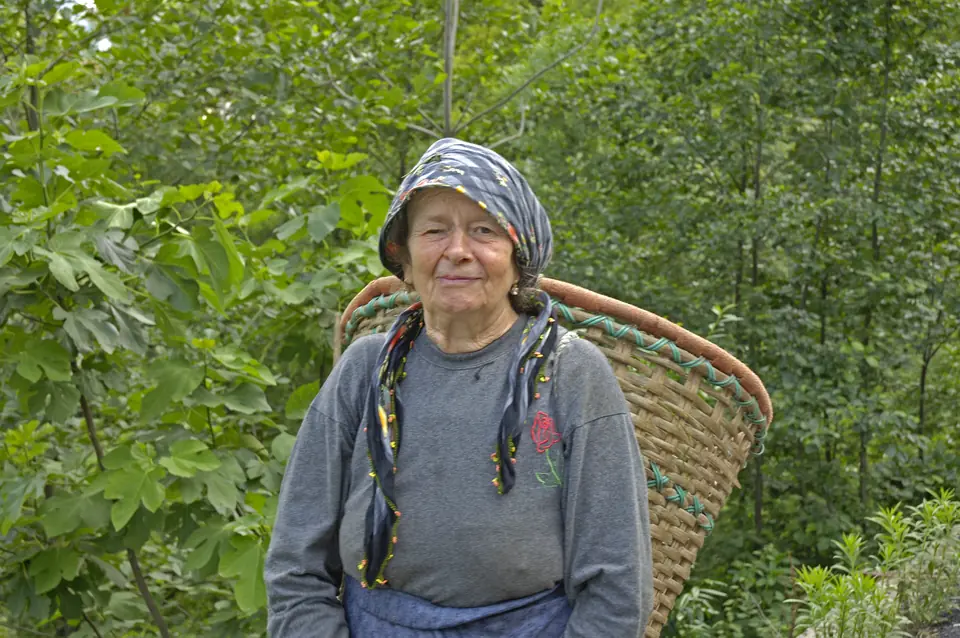
Two leaves and a bud
Quality tea has a fixed measure: the two leaves and the bud at the tip of the shoot. Further down the stem the leaf hardens and the aroma drops. Keeping that distinction is harder with shears than by hand, which is why a skilled picker adjusts even the shears to the length of the leaf.
Fresh leaf has to reach the factory the same day. Sacks are not packed tight or stacked on top of one another — crushed leaf heats up and starts to ferment while the truck is still on the road.
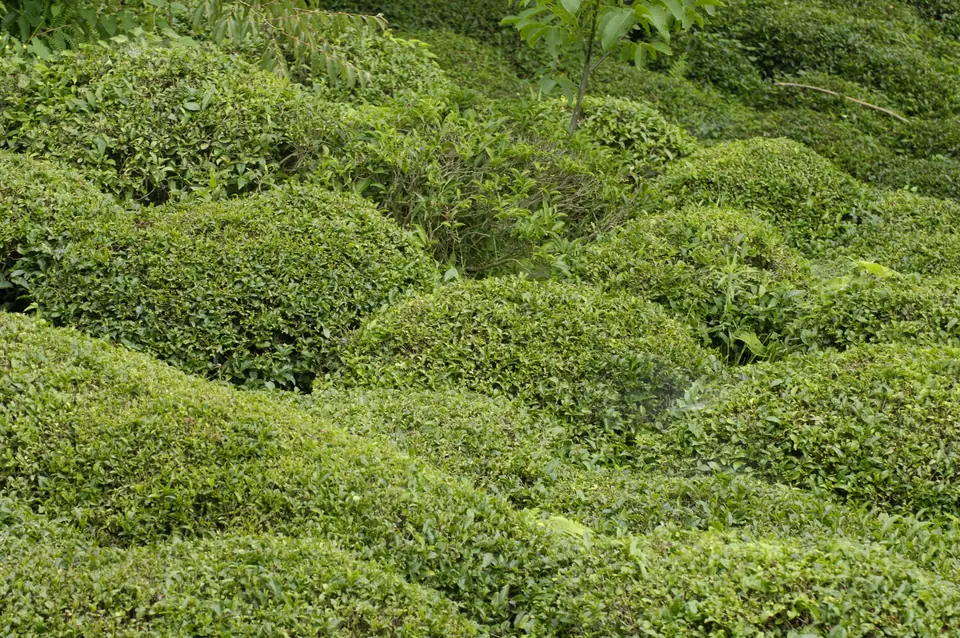
Photography
Between 06:00 and 09:00 the layers emerge as the mist lifts out of the valley. From late afternoon to sunset, side light picks out the lines of the terraces. Midday sun flattens that texture.
Cafés looking out over the tea, a Black Sea village breakfast, and waterfalls in the nearby valleys.